Reading Time: 6′
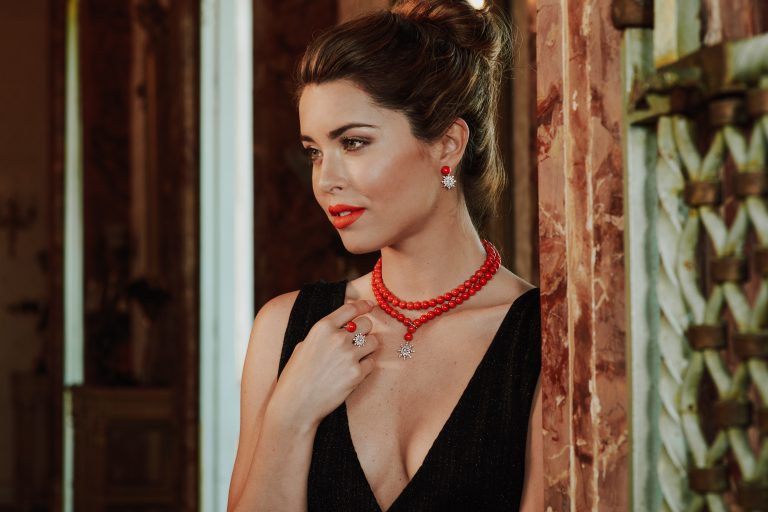
Amulet with an apotropaic effect, root plunged into the sea, coral is a material known for its numerous benefits which are told to be capable of fighting against the evil eye and infertility. But not everybody knows that coral has another great merit, coral bring you through the streets of the world.
Do you want to know what does it mean and which will be the next stop of our journey? Well, let’s prepare your luggage, as our new monthly column is now leaving!
A marriage between sea and culture
In origin, Japan was a very conservative country, to the point that the jewels most appreciated by the west countries – such as rings, necklaces and watches – weren’t appreciated by Japanese people which preferred, instead, more traditional and practical objects. It was only after the Japanese openness to the rest of the world that more requests arrived.
Nevertheless, even before this moment coral – of which Japanese coasts were and are rich – was part of Japanese culture and it embellished a huge part of the accessories worn by its inhabitants. In fact, among swords, buttons and belts, it was possible to find out the Inro, little handmade boxes used by men to bring with them personal stuff. The most interesting thing is that the Inro had the characteristic of being linked to the belts by some little ropes decorated with ivory, agate and especially coral crafted pieces.
However, coral is central not only in the daily life of every Japanese, but even in those special moments in which feelings timidly appear on their faces. Nonetheless, only a few people know that Japanese people are used to celebrate the so called “Coral Marriage”, which is none other than the 35th marriage anniversary.
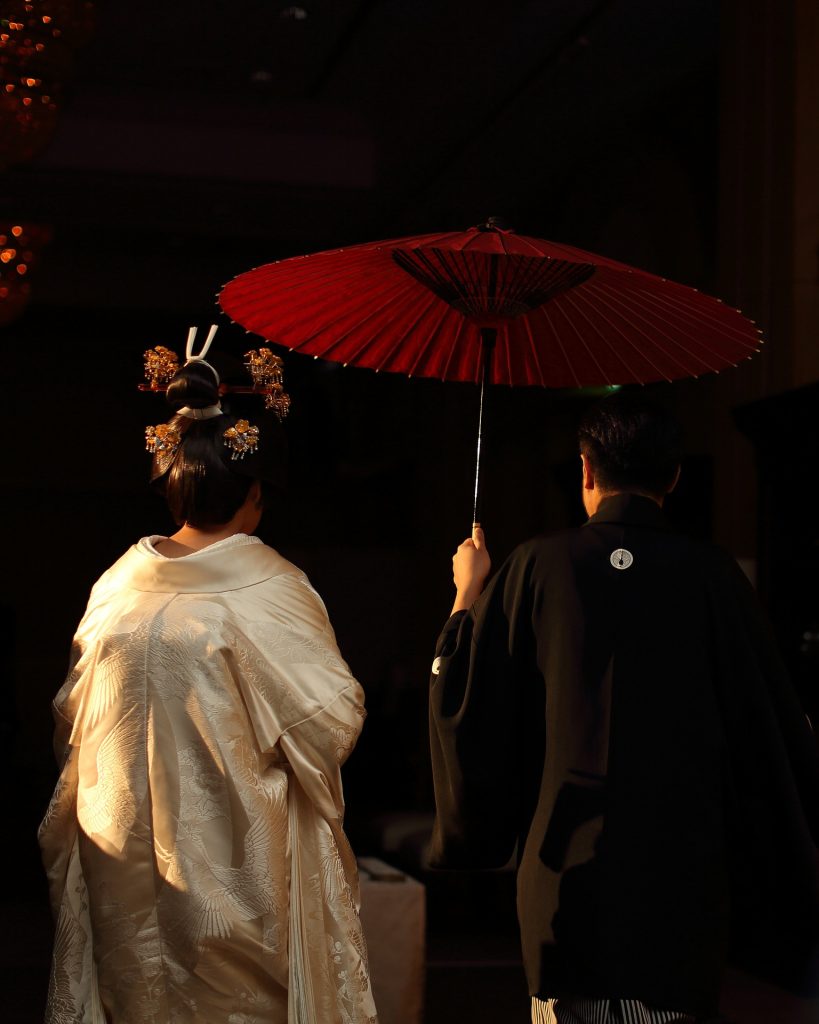
The name comes from the happy union between the marriage ceremony (konshiki) – which became famous after the Meiji period, when the imperator Meiji celebrated the silver wedding anniversary – and the coral (sango, homophone of san go which means by coincidence thirty-five). In fact, what coral is supposed to represent is the solidity of the conjugal union which, exactly as this precious material, is destinated to grow up throw time if cultivated with care and respect.
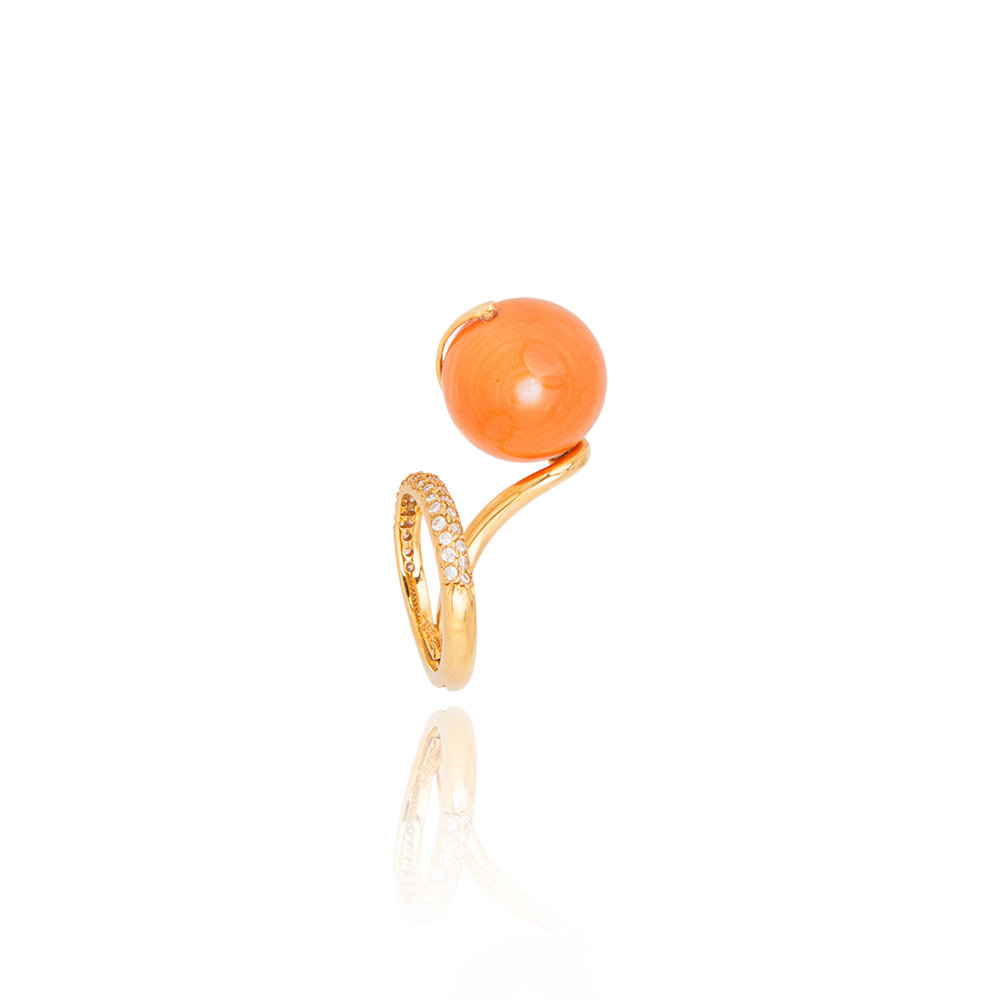
So to wish a long-term and happy union, the couple is used to exchange some accessories with coral details, as rings with coral sphere.
But Coral in Japan isn’t the only one having the role of celebrating the union between wife and husband. In fact, it seems that:
-
-
-
The 30th marriage anniversary is also known as “Pearl Marriage”, so that, as pearls do, it could bring health and prosperity;
-
-
-
The 40th marriage anniversary is called “Ruby Marriage”, as the red colour of this gemstone would represent the deep love of the couple;
-
The 45th marriage anniversary is known as “Sapphire Marriage”, since sapphires would represent the success of the union and the affection of husband and wife;
-
The 60th marriage anniversary is called “Diamond Marriage”, as this stone represent the eternal bond.
-
-
In conclusion, we have explored the Japanese culture discovering a part of that deep bond that connects coral to Japan and not only. But this bond strengthens also the one between Japan and all those other countries which have coral at the centre of their culture. So that it doesn’t seem an hazard to say that this precious material creates a truly bridge, a bridge that – as the Ikema bridge, which is exactly 3,5 (san go) kilometres long – is symbolically made of coral.