-
-
- Shell Cameos
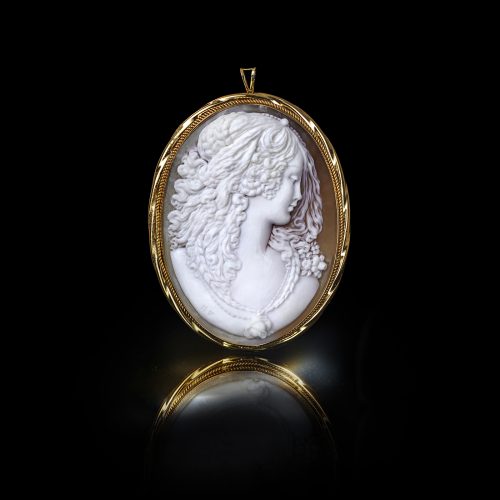
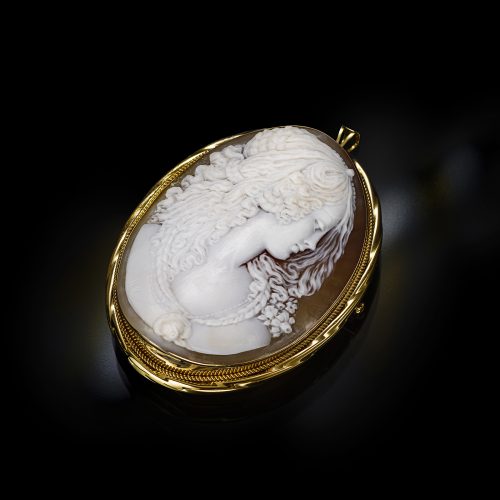
Lady Profile on shell – By Nocereto
- Lady Profile carved on Sardonix Shell, with 18kt gold setting. code: 5550
-
-
-
- Shell Cameos
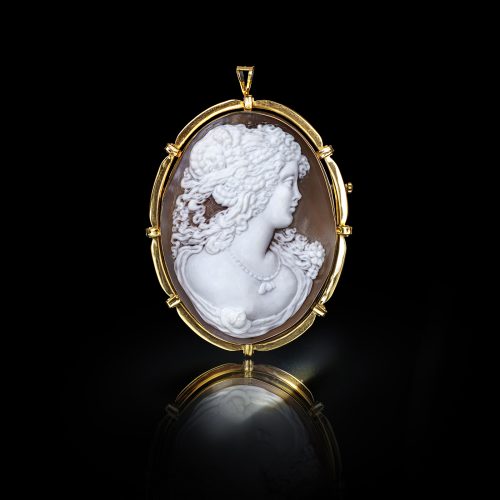
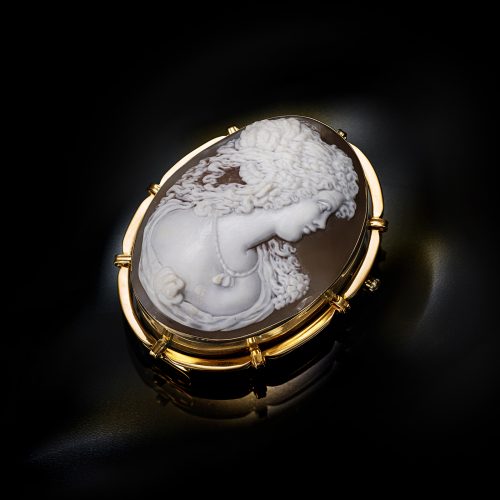
Lady Profile on shell – By Nocereto
- Lady Profile carved on Sardonix Shell, with 18kt gold setting. code: 4834
-
-
-
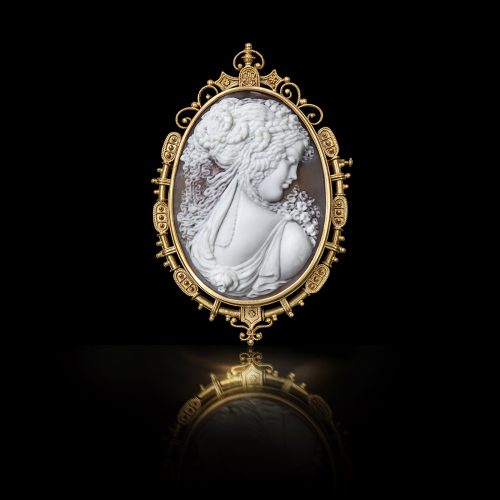
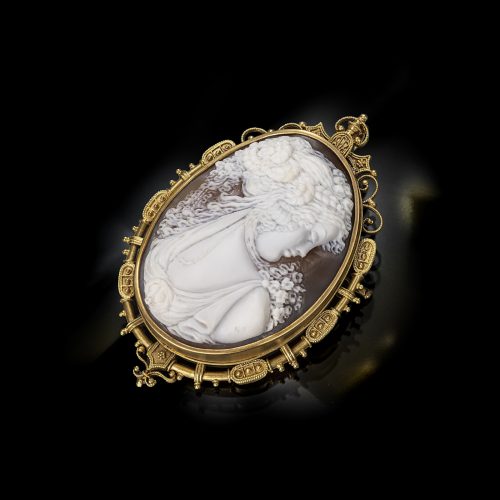
- Shell Cameos
Lady Profile on shell – By Nocereto
- Lady Profile carved on Sardonix Shell, with 18kt gold setting. code: 5555
-
-
-
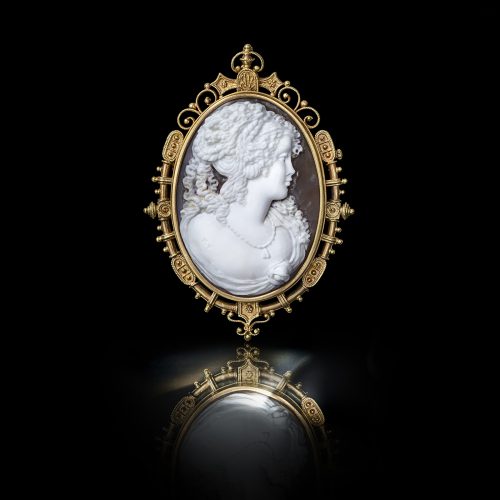
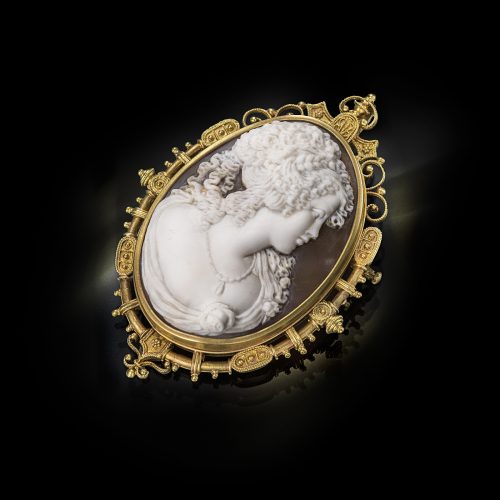
- Shell Cameos
Lady Profile on shell – By Nocereto
- Lady Profile carved on Sardonix Shell, with 18kt gold setting. code: 4834
-
-
-
- Shell Cameos
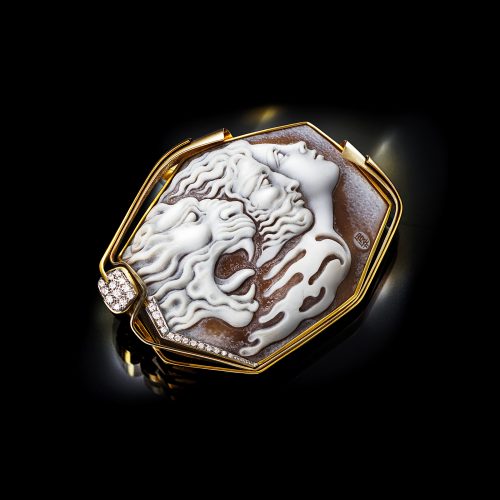
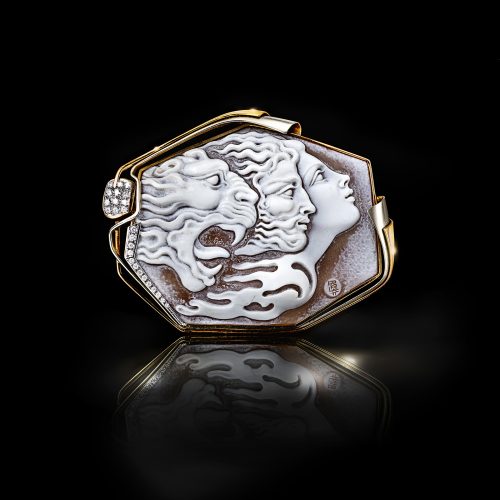
The Human being” carved on Sardonix Shell, with 18kt gold setting. – By Carlo Parlati
- Representation of a man on a Sardonix Shell cameo, with 18Kt gold frame. In the picture, three animals can be observed: a tiger (representing anger), a woman (representing gentleness) and finally, the man. code: 4672
-
-
-
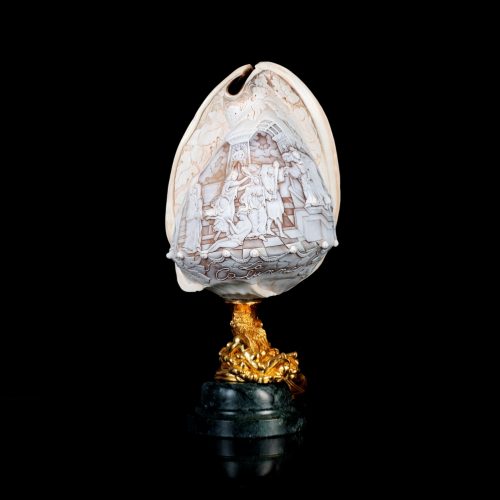
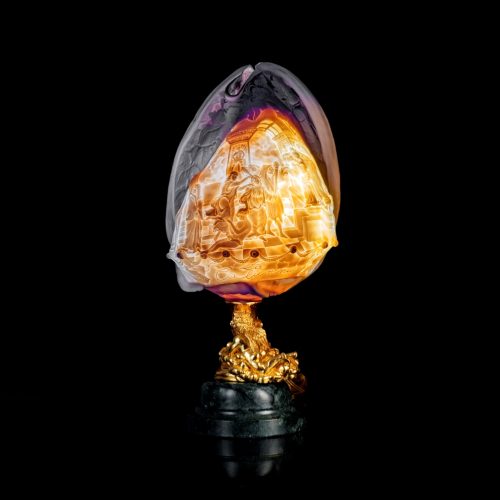
- Shell Lamps
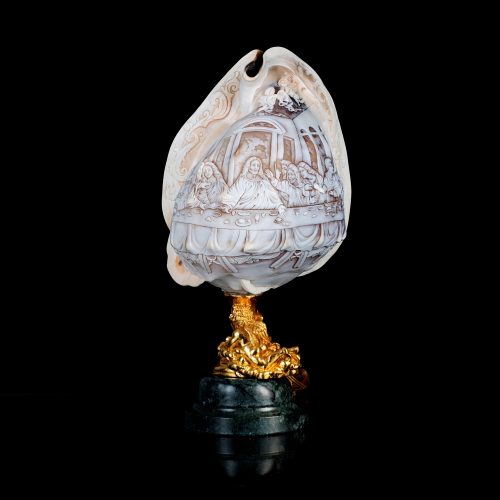
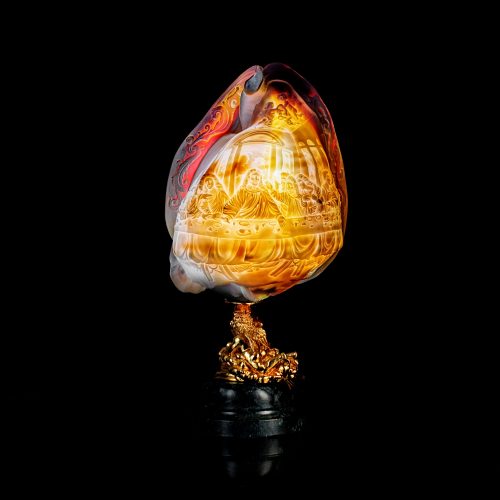
The Last Supper
- The Last Supper of Leonardo da Vinci is one of the most famous paintings in the world. This artwork was painted between 1494 and 1498 under the government of Ludovico il Moro and represents the last “dinner” between Jesus and his disciples. It depicts the dramatic scene described in several closely connected moments in the Gospels, including Matthew 26:21–28, in which Jesus declares that one…
-
-
-
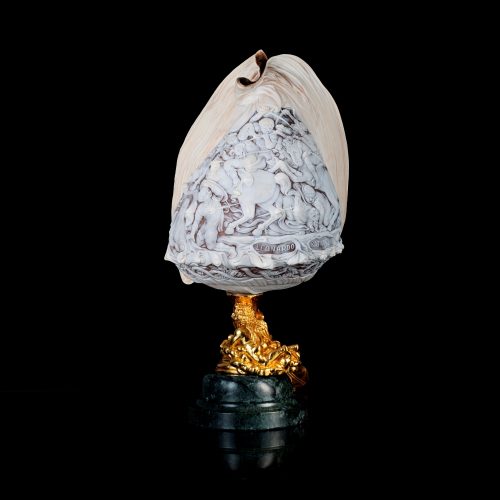
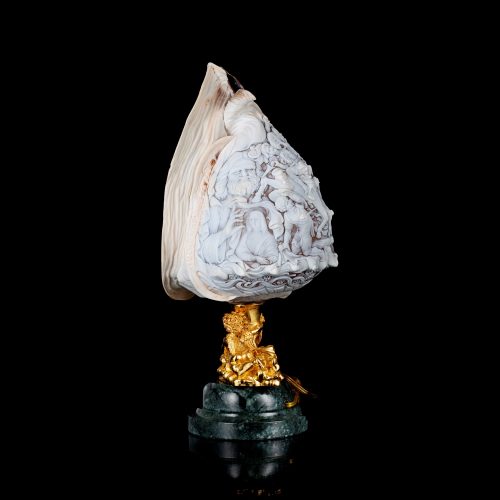
- Shell Lamps
The Calumny of Apelles
- The Calumny of Apelles is a tempera painting by Italian Renaissance painter Sandro Botticelli. Based on the description of an ancient lost painting by Apelles, the work was completed in about 1494–95, and is now in the Uffizi, Florence. The content of Apelles’ painting, as described by Lucian, became popular in Renaissance Italy, and Botticelli was neither the first nor last Italian Renaissance artist to depict it. The…
-
-
-
- Shell Lamps
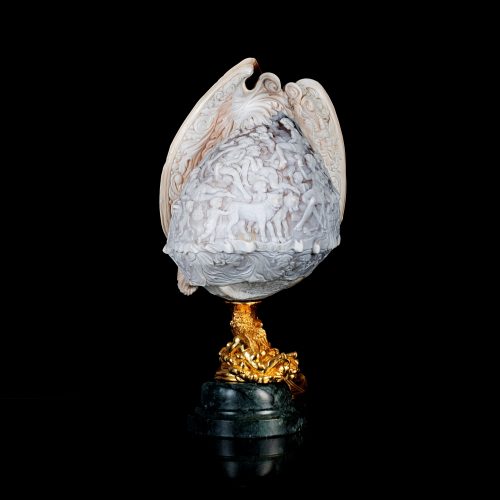
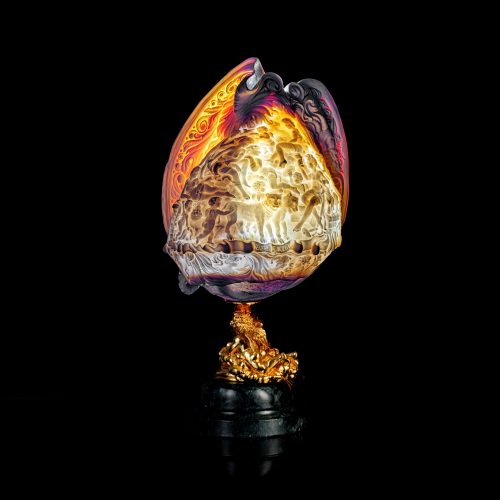
The Anghiari Battle
- The painting of the Battle of Anghiari was to be one of Da Vinci’s most ambitious works. It was to be a large scale work measuring a massive 54ft by 21ft in size. The goal was to have three scenes that showed the beginning, middle and the end of the battle. The painting of the Battle of Anghiari was to…
-
-
-
- Shell Lamps
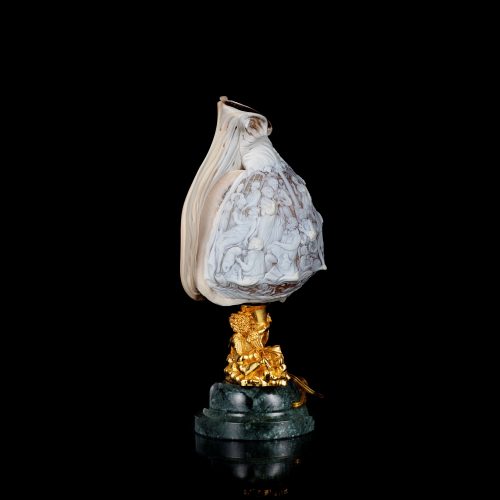
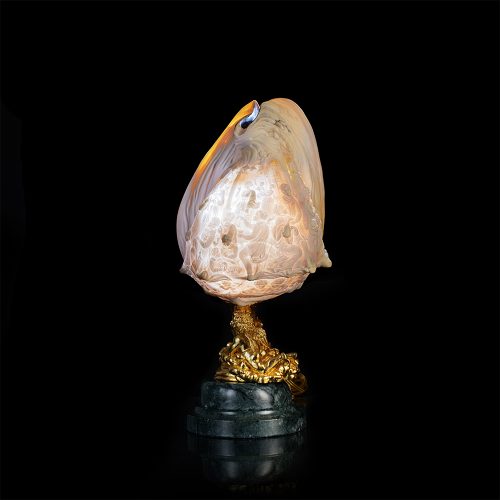
Venere and Vulcano
- This lamp, carved by Lucio Gaglione, is inspired by the myth of Venus and Vulcan. Since her born, the goddess of love was promised to Vulcan, god of the night and blacksmithing. But she fell in love with Mars and together they made love in Vulcan’s bed. When Vulcan knew about the love affair of his wife, he went to…
-
-
-
- Shell Lamps
The “Boheme” – shell depiction
- For this lamp, our carver Lucio Gaglione has been inspired by the of Bohemian era.
-
-
-
- Shell Lamps
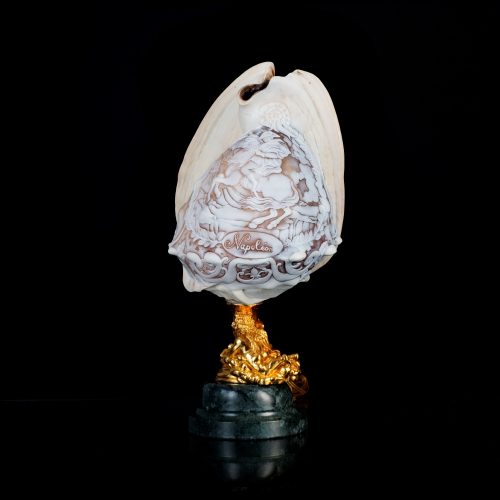
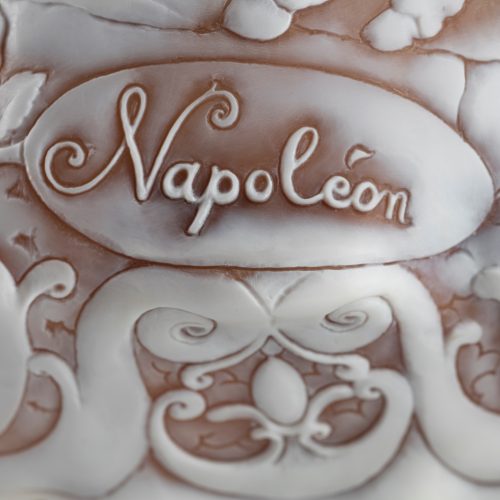
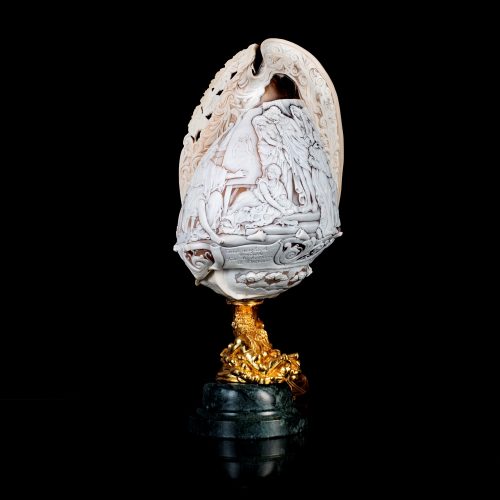
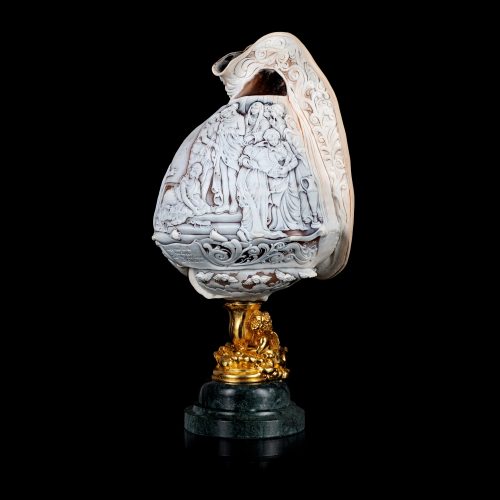
Napoleone Bonaparte carving on the shell
- Carving on shell portrying the General Napoleon Bonaparteabout to cross the “St. Bernard Pass”
-
-
-
- Shell Lamps
Zeuxis Choosing his Models for the Image of Helen from among the Girls of Croton
- For this lamp, our carved was inspired by Jacques-Louis David’s painting Zeuxis Choosing his Models for the Image of Helen from among the Girls of Croton. The account of ZeuFor this lamp, our carved was inspired by Jacques-Louis David’s painting Zeuxis Choosing his Models for the Image of Helen from among the Girls of Croton. The account of Zeuxis choosing…
-
